
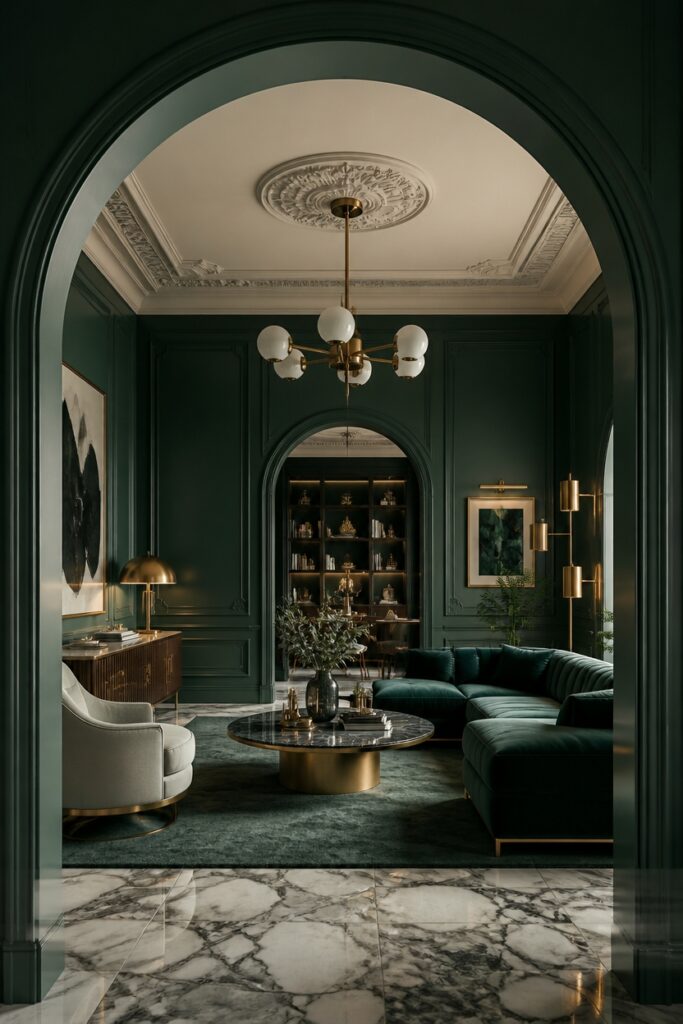
Great interiors emerge from the careful interplay of three core elements. Color sets the emotional tone, whether through bold accent walls or subtle neutral backdrops. It guides the eye and establishes hierarchy within a space.
Furniture choices bring practical purpose while echoing the chromatic story. A velvet sofa in deep teal or warm leather armchairs can reinforce the palette while serving daily needs. Scale and placement matter just as much as style.
Architectural details provide the underlying structure. Crown molding, hardwood floors, and ceiling beams ground the design and lend permanence. These features resist trends and anchor more changeable elements.
When color, furniture, and architecture speak the same visual language, rooms feel inevitable rather than accidental.
Misalignment, however, produces spaces that feel unsettled and costly to correct.
Why These Three Elements Make or Break a Room
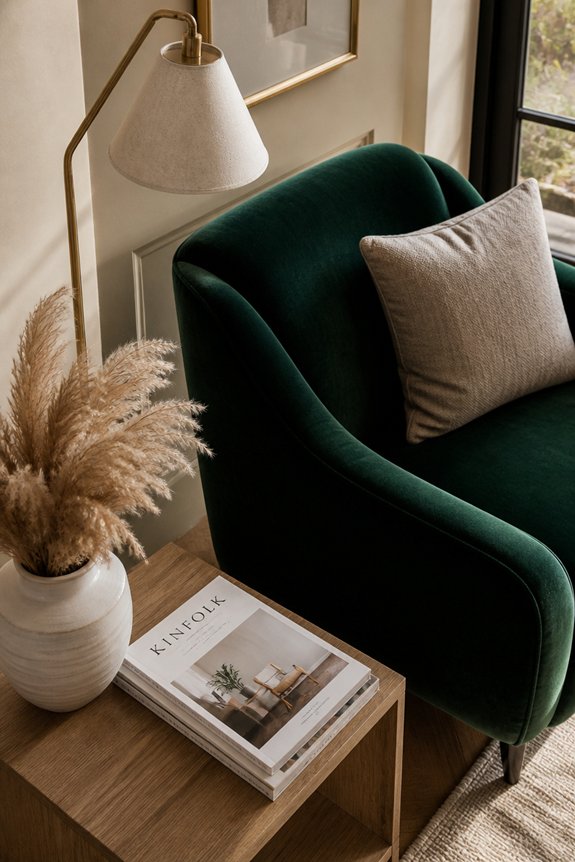
Color, lighting, and architectural detail form the foundation of any room’s success or failure. These three elements work together to define a space’s function and appearance.
Color sets the mood through wall paint, fabrics, and furnishings. Lighting reveals or hides architectural features, affecting how colors appear. Architectural details like molding, fireplaces, and windows provide structure and visual interest.
When these elements clash, a room feels disjointed and uncomfortable. When they align, the space feels intentional and balanced. For example, dark paint with poor lighting makes a room feel cramped, while bright paint with natural architectural details creates openness. Careful consideration of all three guarantees functional, cohesive interiors.
Choosing Your Colour Palette: The Foundation
The mood and atmosphere of any room begin with the selection of colors used throughout the space. A successful color palette typically consists of three to four primary hues, including a dominant color, secondary accent, and neutral base.
Neutral colors like beige, gray, and white provide visual rest and balance. Bold colors such as deep blue or emerald green create focal points when used sparingly. Lighter shades enhance perceived space, while darker tones add depth and sophistication.
The undertones of chosen colors must coordinate with existing architectural elements, flooring, and natural lighting conditions present in the room.
Selecting Furniture That Supports Your Vision
Once a color palette has been established, furniture selection becomes the next practical step in bringing the design vision to completion. Pieces should align with chosen colors, creating visual harmony throughout spaces. A neutral sofa in beige or gray pairs well with accent furniture in palette-coordinated hues.
Wood tones, whether warm oak or cool walnut, either complement or contrast with wall colors deliberately. Metal finishes like brass or chrome interact with lighting and surrounding colors differently. Scale matters greatly, as oversized furniture in small rooms disrupts balance. Selecting pieces with clean lines or ornate details supports specific architectural styles effectively.
How Architectural Details Shape Room Character
Architectural details, crown molding, baseboards, ceiling heights, and doorway styles, establish the foundational character of any room, working alongside furniture choices to create cohesive spaces. High ceilings produce an open, expansive feeling, while lower ceilings create intimacy and coziness. Crown molding adds formality and visual interest near the ceiling line. Baseboards define floor connections and protect walls from damage.
Doorway proportions and styles influence how rooms connect and flow together. Hardwood floors, tile, or concrete substrates determine design direction. Exposed brick, beams, or architectural arches provide distinctive features requiring thoughtful furniture placement and color selection to maintain visual balance.
Design Mistakes That Waste Time and Money
Overlooking architectural constraints before selecting furnishings and colors creates costly delays and dissatisfaction. Common mistakes include purchasing large sofas before measuring doorways, selecting paint colors without considering natural light angles, and ignoring existing structural elements like columns or fireplaces.
Installing expensive flooring that conflicts with load-bearing walls wastes resources. Choosing trendy colors that clash with permanent fixtures like cabinetry requires repainting. Failing to account for ceiling height when selecting furniture proportions results in cramped, awkward spaces.
Professionals recommend evaluating room dimensions, lighting conditions, and fixed architectural features first, then selecting complementary furnishings and palettes accordingly.
When to Go Bold: Balancing Statement Pieces With Neutrals
After establishing a room’s architectural foundation and fixed elements, designers can strategically introduce bold colors and statement pieces without overwhelming the space. A neutral base of white walls, beige flooring, or gray cabinetry provides balance.
Statement pieces, vibrant artwork, jewel-toned furniture, or patterned textiles, gain prominence against this backdrop. Limiting bold elements to one or two focal points, such as an accent wall or distinctive sofa, prevents visual chaos.
Accessories like throw pillows or artwork offer flexibility for updating bold accents seasonally. This approach maintains sophistication while allowing personality to emerge through carefully selected, impactful design choices.
Creating Cohesion Across Multiple Rooms
While individual rooms benefit from bold accents and neutral foundations, homes function as connected spaces requiring visual continuity. A consistent color palette across hallways, entryways, and adjoining rooms creates flow.
Using the same neutral wall color throughout main areas, such as soft gray or warm beige, establishes unity. Bold accent colors can repeat strategically in different rooms through artwork, cushions, or architectural features. Architectural details like molding, flooring, and trim should coordinate in tone and finish. This approach prevents jarring shifts, making the home feel intentional and organized rather than fragmented or disconnected.
Frequently Asked Questions
How Do Budget Constraints Affect the Selection of Key Colours, Furniture, and Architectural Details?
Budget constraints greatly influence design selections by limiting material quality and quantity. Designers prioritize essential elements, opt for cost-effective alternatives, and strategically allocate funds toward high-impact features. This necessitates careful planning to achieve aesthetic goals within financial limitations.
What Role Does Lighting Play in How Colours and Furniture Appear in a Room?
Lighting fundamentally transforms colour perception and furniture appearance. Natural and artificial light sources alter hue saturation, create shadows that define spatial dimensions, and affect material reflectivity. Strategic lighting design enhances or diminishes aesthetic qualities, influencing the overall room ambiance and visual hierarchy.
Can I Successfully Mix Architectural Styles From Different Periods in One Space?
Yes, mixing architectural styles from different periods can succeed when unified by cohesive color palettes, proportional balance, and intentional curation. The key lies in establishing visual harmony through thoughtful spacing, shared design elements, and avoiding excessive eclecticism that appears cluttered rather than curated.
How Often Should I Update Colours and Furniture to Keep Rooms Feeling Fresh?
One should refresh accent colours and furniture every three to five years to maintain visual interest. Major architectural elements require less frequent updating, while textiles, paint, and accessories offer cost-effective ways to revitalize spaces seasonally.
What Are the Best Ways to Incorporate Personal Style Without Overwhelming a Room?
Personal style shines subtly through selective, strategic statements. One curates carefully by choosing cherished pieces that complement rather than compete with foundational elements. Layering through textiles, artwork, and accessories allows individuals to inject identity while maintaining visual harmony and spatial balance.
Conclusion
A designer once spent six months selecting furniture for a client’s living room, only to realize the chosen pieces clashed with existing crown molding and architectural proportions. This costly mistake illustrates a fundamental truth: color, furniture, and architectural details function as interdependent systems, not separate choices. When these three elements align from the start, rooms achieve visual harmony and practical functionality. Neglecting any single component undermines the entire design.