
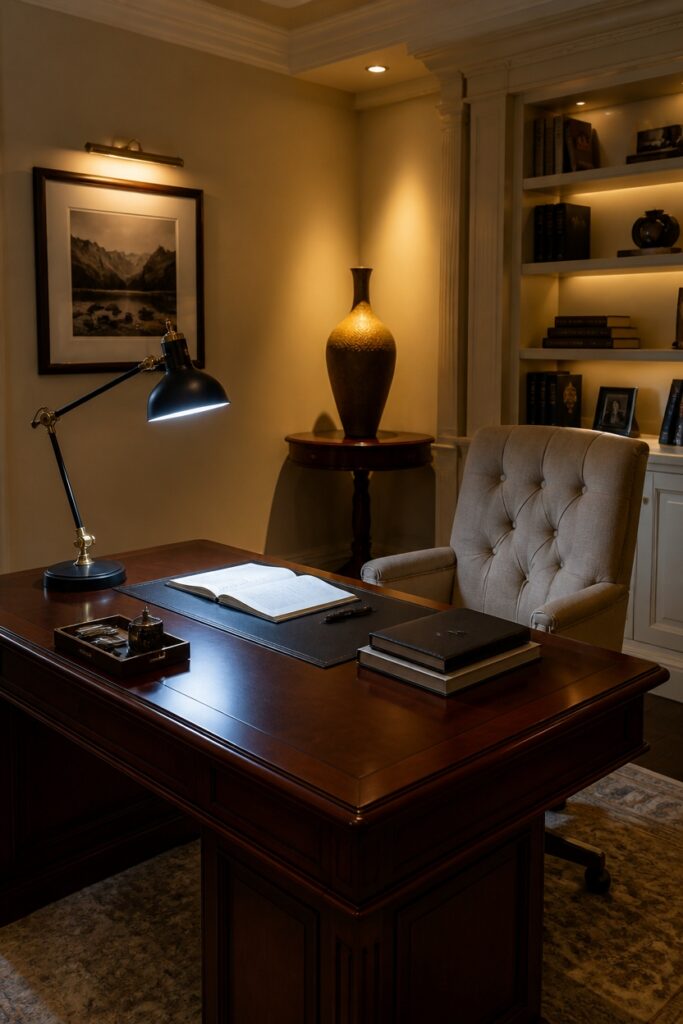
Good lighting transforms a room, yet many homeowners struggle to get it right. The secret lies in mastering three distinct layers that work together in harmony.
Ambient lighting forms the base layer, offering gentle, overall illumination that allows safe navigation through any space. Think of it as the soft glow that greets you when you flip the main switch. Without this foundation, rooms feel cavernous and unwelcoming.
Task lighting steps in where precision matters most. Under-cabinet strips brighten kitchen prep areas, while adjustable desk lamps ease the burden on tired eyes during evening work sessions.
These focused beams deliver exactly the light needed, exactly where needed.
Finally, accent lighting adds personality and drama. A well-placed picture light can make artwork come alive, while uplighting emphasizes textured walls or striking architectural features.
The real challenge? Blending all three without turning your home into a glaring showroom.
The Three Lighting Layers Explained
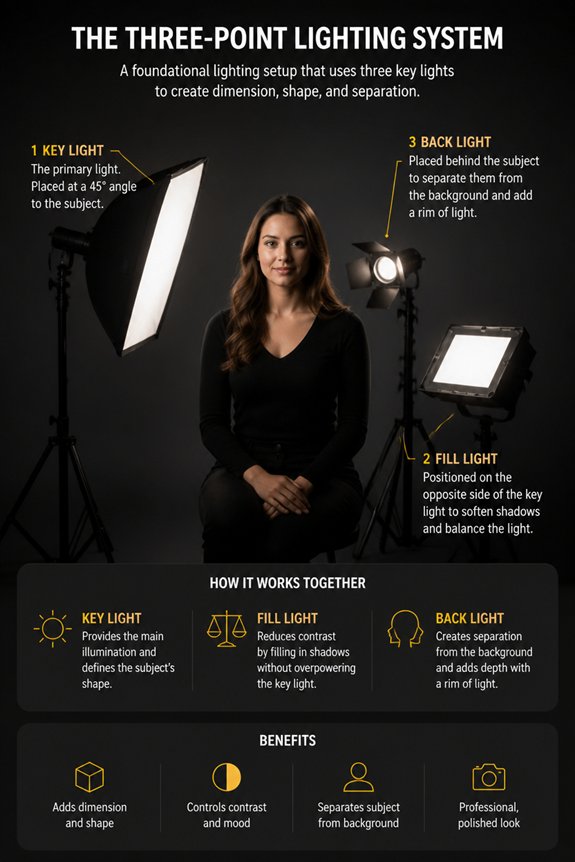
Effective interior lighting relies on three distinct functional layers: ambient, task, and accent lighting. Ambient lighting provides general illumination throughout a room, typically from ceiling fixtures or recessed lights. Task lighting concentrates brightness on specific work areas, such as desk lamps or under-cabinet kitchen lights. Accent lighting highlights architectural features, artwork, or decorative elements using focused beams.
These layers work together to create functional, balanced spaces. Ambient establishes baseline visibility, task supports activities requiring focus, and accent adds visual interest. Layering these three types allows rooms to serve multiple purposes effectively while maintaining appropriate brightness levels for different activities.
Ambient Lighting: Your Foundation Layer
Because ambient lighting establishes the baseline visibility in any room, it serves as the essential first layer upon which task and accent lighting build. Ambient lighting provides overall illumination, typically from ceiling fixtures, recessed lights, or wall-mounted options. This foundational layer guarantees safe movement and general visibility throughout spaces like kitchens, bedrooms, and living rooms.
Ceiling fans with integrated lights, flush-mount fixtures, and track lighting systems commonly deliver ambient illumination. The goal involves creating even, shadow-free light distribution without glare. Ambient lighting typically uses 60-75 watts in standard rooms, though specific requirements depend on room size and surface reflectivity.
Task Lighting: Precision Where You Need It
While ambient lighting creates the general visibility needed throughout a room, task lighting serves a different purpose by directing focused illumination to specific work areas. Desk lamps, under-cabinet kitchen lights, and reading lights concentrate brightness where detailed work occurs.
Task lighting reduces eye strain during activities requiring concentration, such as reading, cooking, or computer work. Positioning matters considerably: place lights slightly behind or to the side of the work surface to minimize glare and shadows. Adjustable fixtures allow users to direct light precisely where needed, making task lighting an essential component of functional room design.
Accent Lighting: Showcase Architecture and Art
Accent lighting serves a distinct purpose from ambient and task lighting by highlighting specific architectural features, artwork, or decorative elements within a room. This lighting type uses focused beams, directional fixtures, and strategic placement to draw attention to desired areas.
Common applications include spotlights on paintings, uplighting on textured walls, and recessed lights directed toward sculptures or shelving displays. Color temperature and intensity matter greatly, as warmer tones enhance traditional artwork while cooler lights complement modern pieces.
Track lighting, picture lights, and wall washers function effectively for accent purposes, creating visual interest and depth throughout interior spaces.
Balance the Three Layers: The 60-30-10 Rule
Effective interior lighting requires a deliberate balance among ambient, task, and accent lighting to create functional, visually appealing spaces. The 60-30-10 rule provides a practical framework for achieving this balance.
Ambient lighting should comprise sixty percent of total illumination, establishing foundational brightness throughout rooms. Task lighting contributes thirty percent, focusing concentrated light on specific work areas like kitchen counters or reading nooks. Accent lighting makes up the remaining ten percent, drawing attention to architectural features or artwork.
This proportional approach prevents spaces from appearing either dim or overly bright, ensuring comfortable visibility while maintaining visual interest and atmosphere.
Lighting Solutions by Room (Kitchen, Bedroom, Living Room)
Different rooms serve different purposes, requiring distinct lighting approaches that reflect their specific functions and activities.
Kitchens need bright task lighting over countertops and islands, combined with ambient overhead fixtures for general visibility. Bedrooms benefit from layered lighting, including bedside lamps for reading, dimmers for relaxation, and softer ambient sources. Living rooms require flexible solutions with ceiling fixtures, table lamps, and accent lighting to create welcoming environments.
Each space demands consideration of workflow, comfort levels, and user activities to establish effective illumination that supports daily routines while maintaining aesthetic balance.
Redesign Your Lighting in 5 Steps
When planning a lighting overhaul, homeowners should assess their current setup, identify problem areas, and establish clear goals for improvement. Next, they should evaluate each room’s function, determining where ambient, task, and accent lighting are needed. Creating a budget helps prioritize purchases and installations.
Homeowners should then select appropriate fixtures, considering size, style, and energy efficiency ratings. Testing new lighting arrangements before final installation allows adjustments. Finally, they should implement changes gradually, room by room, measuring results against initial goals to guarantee effectiveness and satisfaction throughout the home.
Frequently Asked Questions
What Color Temperature Should I Choose for Different Rooms and Times of Day?
Different rooms and times require specific color temperatures. Warm light (2700K) suits bedrooms and evenings, promoting relaxation. Cool light (4000-5000K) works best in kitchens and workspaces, enhancing focus. Neutral tones (3000K) adapt well to living areas throughout the day.
How Do Smart Bulbs and Dimming Technology Improve Layered Lighting Control?
Smart bulbs and dimming technology enable precise control over light intensity and color temperature, allowing users to adjust layered lighting schemes instantly. This customization optimizes ambiance for specific activities while reducing energy consumption and enhancing overall room functionality.
What Is the Energy Cost Difference Between Various Bulb Types for Lighting?
LED bulbs consume approximately 75% less energy than incandescent alternatives, notably reducing electricity costs. While LEDs require higher upfront investment, their extended lifespan and efficiency make them economically superior. CFLs offer moderate savings between these options, though LEDs remain the most cost-effective long-term choice.
Can I Retrofit Existing Fixtures With New Lighting Layers Without Major Renovations?
Yes, retrofitting existing fixtures with additional lighting layers is feasible without major renovations. One can install adjustable bulbs, add clip-on task lights, incorporate smart dimmers, or position accent lighting strategically to enhance the existing setup cost-effectively.
How Does Natural Daylight Interact With Artificial Layered Lighting Throughout the Day?
Natural daylight shifts color temperature and intensity throughout the day, requiring artificial lighting adjustments to maintain consistent ambiance. Morning light differs from afternoon warmth, necessitating dimming or color-tuning of layered fixtures to prevent glare and preserve visual comfort.
Conclusion
Effective lighting design functions like a three-legged stool, requiring ambient, task, and accent layers for stability and purpose. Homeowners who implement the 60-30-10 rule create balanced spaces that support daily activities while enhancing visual appeal. Kitchen islands benefit from layered lighting, bedrooms gain comfort through controlled brightness, living rooms showcase architectural features. Thoughtful integration of these elements transforms ordinary rooms into functional, intentional environments that serve both practical needs and aesthetic goals.