
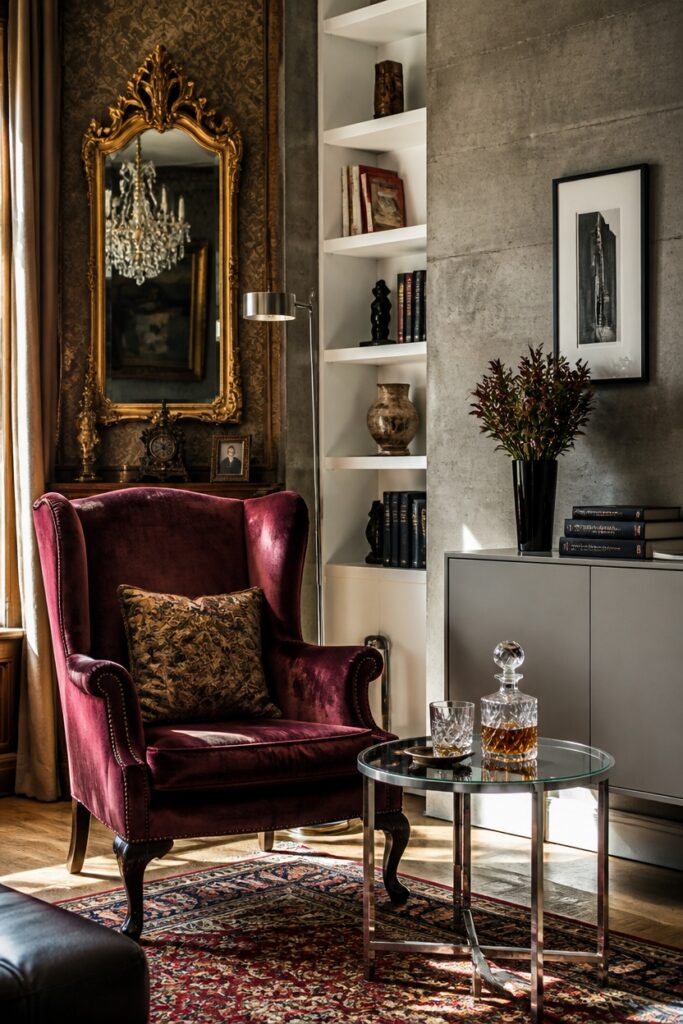
Period homes carry a particular kind of weight. Their moldings, proportions, and materials tell stories that new construction simply cannot replicate.
Yet living in history comes with friction. Drafty windows, outdated wiring, and bathrooms built for another era demand attention. The question becomes which compromises honor the home without sacrificing livability.
Some owners prioritize invisible upgrades: insulation tucked behind original plaster, radiant heating beneath century-old floorboards. Others accept visible changes when function demands it, choosing period-appropriate fixtures over strict preservation. Neither approach is wrong.
The best renovations read the house carefully. They distinguish between character-defining features and replaceable components, between authentic wear and genuine failure. This discernment takes time, but it yields spaces that feel both grounded and usable.
Identify What Makes Your Period Home Unique
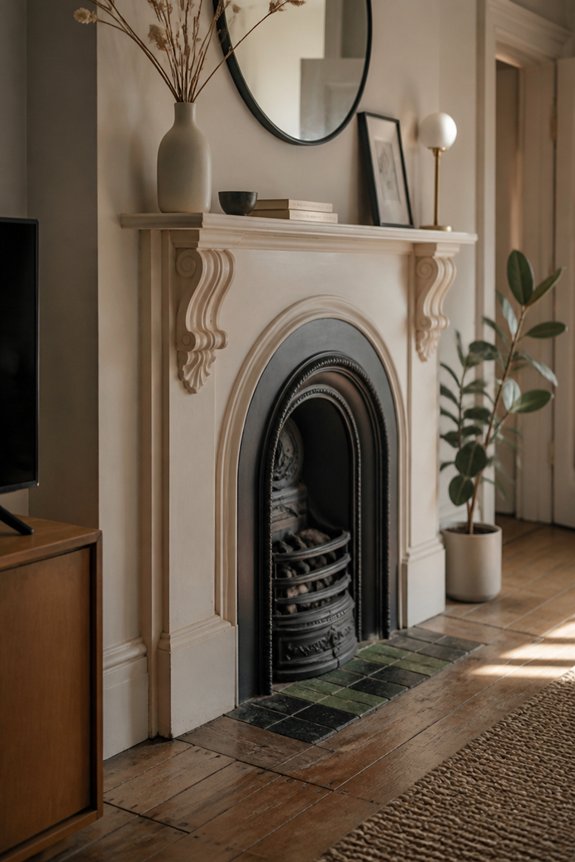
Every period home contains distinctive architectural and design elements that reflect its era, region, and original construction methods. Victorian homes feature ornate trim, high ceilings, and decorative moldings. Colonial structures display symmetrical facades, shutters, and simple lines. Craftsman bungalows showcase exposed beams, built-in cabinetry, and natural materials. Mid-century modern homes present clean angles, large windows, and minimal ornamentation.
Homeowners should document original features through photographs and research local architectural styles. Identifying these elements, hardwood floors, plaster walls, hardware, light fixtures, helps preserve character while planning renovations. Understanding what distinguishes a particular home guides decisions about which upgrades maintain authenticity.
Understand Planning Permission Before You Start
Once homeowners have identified the distinctive features worth preserving, they must navigate local regulations that govern modifications to period properties. Many areas require planning permission before altering historic homes, particularly exterior changes. Listed buildings face stricter requirements than unlisted period properties.
Homeowners should contact their local planning authority to determine which updates need approval. Common modifications requiring permission include window replacements, roof alterations, and facade changes. Interior updates typically need less oversight.
Building regulations also apply separately from planning permission, covering safety and structural standards. Understanding these requirements early prevents costly delays and guarantees modifications comply with local preservation guidelines.
Conceal Modern Systems Where Period Style Rules
Modern utilities like electrical wiring, heating systems, and plumbing fixtures often clash with historic interiors, yet these installations remain necessary for contemporary living. Strategic concealment preserves period aesthetics while maintaining functionality.
Hide electrical outlets within baseboards or period-appropriate covers. Route wiring through walls rather than surface-mounting where possible. Conceal radiators behind decorative screens or within existing cabinetry. Place thermostats in less visible locations, choosing designs matching wall finishes.
Install plumbing behind walls, under floors, or within kitchen cabinets. Use recessed lighting in ceilings where appropriate to the era. These approaches balance authentic character with essential modern systems.
Choose Materials That Honor Period Style
Because authentic materials establish visual coherence with historic interiors, selecting appropriate finishes, fixtures, and furnishings requires careful consideration of the home’s era and original construction methods.
Victorian homes benefit from crown molding, hardwood floors, and brass fixtures. Colonial properties suit simple wooden frames, plaster walls, and iron hardware. Mid-century modern spaces work well with clean lines, natural wood, and chrome accents.
Material choices should reflect what was actually available during the period. Avoiding plastic trim, laminate countertops, or contemporary tile in period rooms maintains architectural integrity. Research local building practices and original materials through historical societies, preservation organizations, and property records to inform decisions accurately.
Plan Kitchens and Bathrooms for Old Homes
Kitchens and bathrooms present particular challenges in period homes, as these spaces underwent significant modernization over decades. Owners must decide whether to preserve original features or install contemporary fixtures.
Period-appropriate solutions exist for both approaches. Vintage-style appliances, subway tile, and clawfoot tubs maintain character while offering modern functionality. Cabinet styles, hardware, and lighting should match the home’s era.
Plumbing and electrical systems often require updating behind walls, hidden from view. Layout changes may be necessary for workflow efficiency. Consulting historical records or similar homes helps guide decisions.
Balancing authenticity with practicality guarantees these essential spaces serve both aesthetic and functional purposes effectively.
Modernize Heating and Electrics in Period Homes
While kitchens and bathrooms handle day-to-day living tasks, the systems running behind walls, heating, cooling, and electrical power, determine whether a period home functions safely and comfortably. Old homes often contain outdated wiring, insufficient outlets, and inefficient heating systems that pose safety risks.
Upgrading to modern electrical panels, adding properly grounded circuits, and installing contemporary HVAC systems addresses these concerns. Insulation improvements, new ductwork, and programmable thermostats enhance energy efficiency. These upgrades should maintain exterior character while modernizing interior systems.
Professional inspection identifies specific needs, guiding decisions about priorities and costs associated with bringing utilities to current standards.
Budget by Priority and Impact
After identifying necessary upgrades through professional inspection, homeowners must determine which improvements offer the greatest safety benefits and functional returns for available funds. Prioritizing electrical systems and plumbing typically addresses urgent code violations and prevents property damage.
HVAC improvements follow, affecting comfort and energy costs. Structural repairs and insulation upgrades rank next in importance. Window replacements and cosmetic updates come last.
This tiered approach allows homeowners to allocate limited budgets strategically. Tackling high-priority items first protects the home’s integrity while preserving period character through selective upgrades that balance authenticity with practicality.
Frequently Asked Questions
How Do I Maintain Period Authenticity While Installing Smart Home Technology?
One can conceal smart devices behind period-appropriate fixtures or within walls. Choose neutral finishes matching historical aesthetics. Install technology discreetly in non-visible areas. Prioritize essential systems like security and climate control while maintaining the home’s authentic character.
What’s the Cost Difference Between Period-Appropriate and Modern Materials for Renovations?
Period materials typically cost 20-40% more than modern equivalents due to limited availability and specialized sourcing. However, modern reproductions offer budget-friendly alternatives while maintaining authenticity, though authentic restoration materials provide superior longevity and character.
Can I Add Air Conditioning to a Period Home Without Disrupting Character?
Yes, one can integrate air conditioning into period homes while preserving character. Discreet options include installing units in basements or attics, using window units sparingly, or concealing ductwork behind existing walls. Professional consultation guarantees minimal visual disruption to historical aesthetics.
Which Period Design Elements Should Never Be Compromised for Modern Convenience?
Ironically, removing original fireplaces for efficient heating systems destroys a home’s soul. Architectural bones—crown molding, hardwood floors, window proportions, and authentic facades—demand preservation. These elements define period authenticity. Modern utilities deserve concealment behind original aesthetics, never replacement.
How Do I Find Contractors Experienced With Both Period Restoration and Modern Installation?
Seek contractors through period restoration associations, architectural preservation societies, and local historical commissions. Request portfolios demonstrating both authentic restoration work and seamless modern installations. Interview multiple candidates about their experience balancing historical integrity with contemporary functionality.
Conclusion
Successfully balancing period homes requires prioritizing what matters most: preserving architectural character while upgrading essential systems like HVAC, plumbing, and electrical work. Homeowners who conceal modern infrastructure, select historically appropriate materials, and plan renovations thoughtfully maintain their home’s unique identity. This measured approach, much like restoring a classic structure brick by brick, guarantees contemporary comfort without sacrificing the distinctive charm that makes these homes valuable.