

Finding the right curtains starts with understanding fabric weight. Sheer, lightweight materials create an airy atmosphere by allowing sunlight to filter through gently. Heavier fabrics like velvet or lined cotton block unwanted light and help insulate rooms against temperature changes.
Length matters more than many people realize. Floor-length panels bring a sense of refinement and formality to living spaces and bedrooms. For kitchens, bathrooms, or children’s rooms, sill-length curtains offer practicality without sacrificing style.
Color choice sets the entire mood of a room. Soft neutrals blend seamlessly with existing furniture and wall colors, creating a cohesive backdrop. Vibrant shades or striking patterns can transform plain windows into captivating centerpieces that draw the eye.
Installation technique deserves careful consideration. Mounting rods several inches above the window frame creates the illusion of taller ceilings. Extending hardware beyond the window width allows curtains to stack neatly when opened, maximizing natural light.
Measure Your Windows Before Buying Curtains
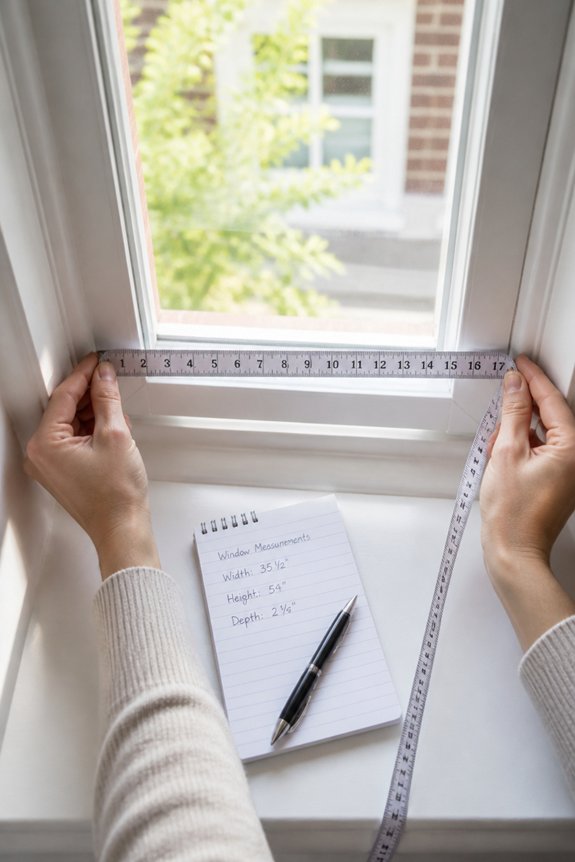
Before purchasing curtains, homeowners should measure their windows accurately to confirm proper fit and appearance. Measurements should include the width from wall to wall, and the height from the top of the frame to the desired length.
Standard curtain lengths are typically floor-length, sill-length, or apron-length options. Width measurements determine how many panels are needed for adequate coverage and fullness.
Recording measurements in inches prevents ordering errors and costly returns. Homeowners should measure multiple windows separately, as dimensions often vary throughout a residence. Taking time for precise measurements guarantees curtains hang properly and function as intended for light control and insulation.
Choose Curtain Fabrics by Weight, Weave, and Light Control
Once measurements are confirmed, selecting the appropriate fabric becomes the next practical consideration. Fabric weight determines how well curtains hang and function. Lightweight fabrics like voile allow maximum light penetration, while heavier materials such as velvet provide superior insulation and darkness.
Weave density affects both durability and light-blocking capability. Tightly woven fabrics, including blackout cloth, effectively block sunlight and external noise. Medium-weight options like linen offer moderate light control with adequate structure.
Selecting fabric weight depends on room purpose, existing light levels, and desired functionality. Bedrooms typically benefit from heavier, darker materials, whereas living spaces often accommodate lighter, semi-sheer options.
Pick Curtain Lengths That Fit Your Room Style
Curtain length greatly affects both the appearance and function of a room, requiring consideration of ceiling height, furniture placement, and overall design aesthetic. Standard options include floor-length curtains, which extend to the floor and create formal, elegant spaces. Apron-length curtains end four to six inches above the floor, offering a practical alternative for high-traffic areas. Sill-length curtains stop at the windowsill, working well in kitchens and bathrooms.
Shorter lengths suit casual rooms, while longer lengths enhance formal settings. Selecting appropriate curtain length depends on room purpose, existing furniture heights, and desired visual effect, ensuring balanced proportions throughout the space.
Select Curtain Colours That Complement Your Décor
Color selection works alongside curtain length to establish the overall mood and visual balance of a room. Neutral tones like beige, gray, and white create calm, versatile backdrops that coordinate with most furniture. Bold colors such as navy, burgundy, or deep green add visual interest and anchor a space.
Lighter shades of blue, cream, or soft taupe work well in smaller rooms, making them feel more spacious. Matching curtain colors to wall paint, upholstery, or accent pieces guarantees visual cohesion. Consider room lighting when selecting colors: natural light enhances cool tones, while warm artificial light suits warmer hues. Sample fabric swatches against existing décor before purchasing.
Match Fabric Durability and Performance to Your Needs
Several factors determine how well curtain fabric will perform in a specific room environment. Room conditions like sunlight exposure, humidity, and temperature fluctuations affect fabric longevity and appearance. Synthetic materials such as polyester resist fading and moisture better than natural fibers like cotton.
Heavy fabrics withstand wear in high-traffic areas, while lighter materials work in protected spaces. Lined curtains provide extra durability and light-blocking capability. Consider maintenance requirements: some fabrics need dry cleaning, others tolerate machine washing.
Kitchens and bathrooms demand moisture-resistant options, while bedrooms allow delicate choices. Selecting appropriate fabric based on room function guarantees curtains maintain quality and appearance longer.
Hang Curtains for Maximum Impact and Function
Because proper hanging technique affects both appearance and functionality, the placement and height of curtain rods greatly influence room aesthetics and light control. Mounting rods near the ceiling creates an illusion of height, while positioning them at standard window-frame level offers a traditional appearance.
Rod placement determines light coverage, with higher installation allowing more natural light above curtains. Consider rod diameter and material: thicker rods support heavier fabrics like velvet or linen, while thinner rods work for lightweight options. Hanging curtains slightly wider than window frames provides better light blocking and visual balance throughout the room.
Avoid Common Curtain Hanging Mistakes
Most homeowners make predictable errors when installing curtains, errors that compromise both appearance and function. Hanging rods too low creates a cramped, shortened room appearance. Selecting curtains that are too narrow leaves gaps at the sides, reducing light control and insulation.
Installing rods too close to windows prevents proper fabric draping and stacking space. Using inadequate hardware causes sagging, especially with heavy fabrics. Neglecting to measure ceiling height before purchasing results in improper proportions. Failing to evaluate rod weight relative to wall construction risks damage and collapse.
Avoiding these mistakes requires measuring twice, selecting appropriate hardware, and planning adequate fabric width before installation begins.
Frequently Asked Questions
How Often Should Curtains Be Cleaned or Laundered to Maintain Quality?
Curtains typically require cleaning every three to six months, depending on environmental factors and usage. Regular vacuuming prevents dust accumulation, while gentle laundering or professional dry cleaning maintains fabric integrity and extends their lifespan considerably.
What Is the Best Way to Remove Wrinkles From Curtains After Hanging?
Like fresh linen emerging from a dryer, curtains respond best to steam treatment. Using a garment steamer held several inches away prevents damage while smoothing wrinkles effectively. Alternatively, hanging damp curtains allows gravity to naturally release creases over several hours.
Can Curtains Be Altered if They Don’t Fit Perfectly After Purchase?
Yes, curtains can be altered to achieve a perfect fit. Professional tailors can adjust length, width, and hems. Many retailers also offer alteration services. However, extensive modifications may be costly, so checking measurements before purchase is advisable.
How Do Curtain Linings Affect Insulation and Energy Efficiency in Homes?
Like thermal blankets wrapped around windows, curtain linings create an insulating barrier that traps warm air during winter and blocks summer heat. They remarkably reduce energy loss, lowering heating costs while improving overall home temperature regulation and comfort throughout seasons.
What Hardware and Rod Types Work Best With Different Fabric Weights?
Heavier fabrics require sturdy rods with reinforced brackets, such as steel or wooden poles with center support. Lightweight fabrics work well with standard aluminum rods. Medium-weight materials suit most standard hardware. Professionals recommend matching rod diameter and bracket strength proportionally to fabric weight for ideal performance.
Conclusion
Selecting curtains requires attention to fabric weight, length, color, and installation method. Research shows that properly hung curtains can reduce energy costs by up to 25 percent. Homeowners should measure windows carefully, choose appropriate fabrics for their needs, and hang curtains higher and wider than frames. These steps guarantee curtains function effectively while enhancing room aesthetics and comfort.