
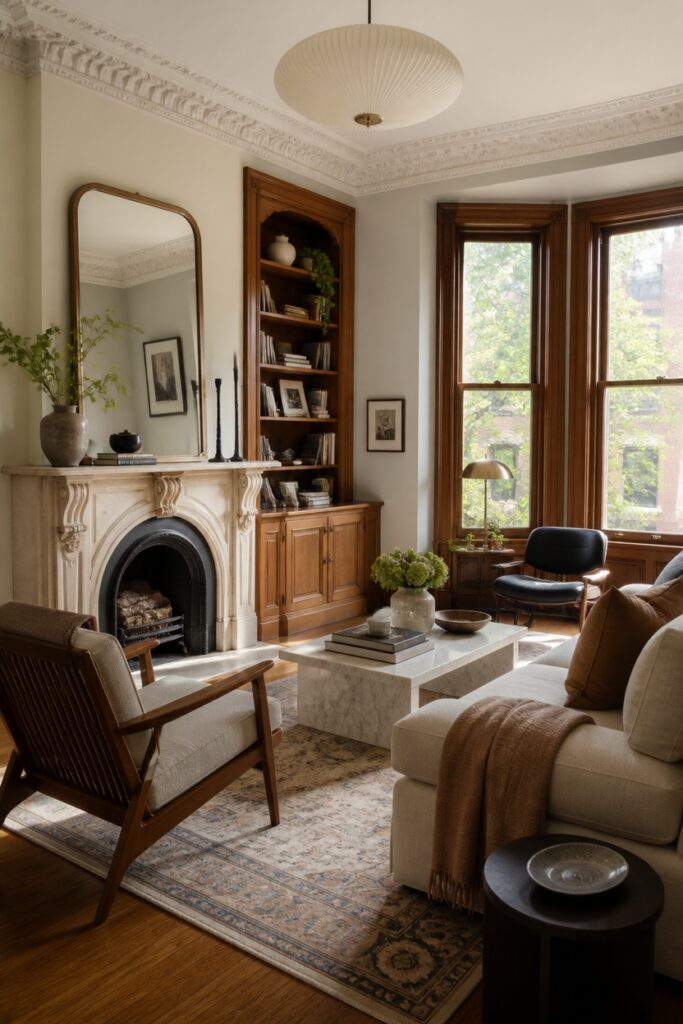
Breathing new life into an older home demands a careful dance between past and present. The most successful renovations honor what came before while making room for how we actually live today.
Original features often tell the story of a house. Those wide-plank floors, intricate crown moldings, or built-in cabinetry deserve thoughtful attention. Some elements warrant full restoration; others might inspire modern interpretations that echo their character. The goal isn’t museum preservation but rather creating spaces that feel authentic and alive.
Kitchens and bathrooms typically require the most intervention. Here, homeowners can introduce contemporary layouts and efficient systems without sacrificing warmth. Selecting materials that complement the home’s era helps bridge old and new. A vintage-inspired tile or hardware choice can make even the most modern appliance feel at home.
Ultimately, this process rewards patience and intentionality. Each decision shapes how future inhabitants will experience the space.
When done well, the result feels inevitable, as if the home evolved naturally across decades rather than through deliberate intervention.
Identify What Makes Your Space Unique

Before updating any interior, homeowners should examine the existing elements that define their space. This involves identifying architectural features, color schemes, and materials currently present. Original hardwood floors, crown molding, vintage tile work, and period-appropriate fixtures provide clues about a home’s character.
Natural lighting patterns, room proportions, and built-in cabinetry also contribute greatly. Documentation through photographs helps capture these details. Homeowners might note whether walls feature plaster, wood paneling, or drywall. Understanding these foundational aspects prevents accidental removal of valuable character elements during renovation projects and guarantees updates complement rather than erase the space’s original identity.
Upgrade Systems While Preserving Historic Details
While modern systems like electrical wiring, plumbing, and HVAC equipment require updates for safety and functionality, homeowners can install these utilities without compromising a home’s historic character. Strategic placement preserves original features by routing new wiring through wall cavities and hiding HVAC units in basements or attics. Updated plumbing can use existing wall pathways.
Professionals should consult preservation guidelines before installation. Vintage fixtures, like original hardware and trim, remain untouched. Historic homes benefit from selective upgrades that address code requirements while maintaining architectural integrity.
Professional contractors experienced with period properties understand how to balance modern necessities with preservation standards effectively.
Choose Modern Materials That Match the Original Style
Modern replacement materials often replicate the appearance, texture, and color of historic originals, allowing homeowners to upgrade components while maintaining visual consistency. Engineered hardwood mimics traditional wood flooring, while composite materials match vintage tile patterns. Hardware manufacturers produce reproduction knobs, hinges, and fixtures in period-appropriate styles.
Paint formulations now offer historically accurate color palettes based on architectural research. Vinyl and laminate products successfully replicate plaster, wood paneling, and stone surfaces. These alternatives provide durability and easier maintenance compared to original materials.
Selecting options that align with the home’s architectural period guarantees updates remain visually harmonious. Consulting historical records or architectural guides helps identify appropriate material choices for specific eras.
Rearrange Without Fighting the Original Layout
Historic homes possess inherent architectural features that dictate how spaces function best. Original floor plans typically align with load-bearing walls, window placement, and doorway locations that cannot be easily altered.
When rearranging furniture and fixtures, homeowners should work within these constraints rather than against them. Key considerations include respecting existing wall openings and architectural details, positioning larger furniture pieces along original walls, maintaining sight lines through historic doorways, and preserving symmetry around fireplaces or built-in cabinetry.
Moving a kitchen away from plumbing lines or relocating a bedroom away from established electrical layouts creates costly complications. Strategic furniture placement within the existing framework achieves functional updates while maintaining the home’s original character and structural integrity.
Hide Modern Systems Without Losing Design
Integrating contemporary utilities into period homes requires careful planning to prevent visual disruption of historic aesthetics. Modern systems, including electrical wiring, HVAC units, and plumbing, can be concealed within walls, attics, and basements to maintain original character.
Exposed ductwork can be painted to match ceilings, while radiators may be boxed with period-appropriate enclosures. Thermostat panels fit into recessed wall cavities behind trim. Electrical outlets and switches install behind furniture or in less visible locations. Cable management systems hide within crown molding or baseboards.
These strategic placements preserve architectural details while ensuring functional, updated home systems operate efficiently.
Modernize Kitchens and Bathrooms
While kitchens and bathrooms demand the most frequent updates in period homes, these spaces offer opportunities to balance modern functionality with historic character. Homeowners can install modern appliances, plumbing fixtures, and electrical systems while preserving original details like tile work, cabinetry styles, or hardware finishes.
Period-appropriate colors and materials, such as subway tile or vintage-inspired faucets, maintain aesthetic continuity. Strategic placement of new elements behind period facades, using cabinet fronts that match existing woodwork, or selecting fixtures that echo original designs allows these essential rooms to function efficiently without appearing jarring or anachronistic within the overall home environment.
Decide What to Restore and What to Replace
How can homeowners determine which original features deserve preservation and which elements require replacement? The decision depends on several factors: structural integrity, functionality, and historical significance.
Original hardwood floors, crown molding, and fireplaces typically warrant restoration if sound. Conversely, outdated electrical systems, plumbing, and HVAC units require replacement for safety and efficiency. Homeowners should assess whether features like vintage tile or period-appropriate doors add character or hinder daily use.
Consulting with preservation specialists helps identify which elements define the home’s architectural style. Balancing preservation with necessary modernization guarantees both aesthetic appeal and practical livability.
Frequently Asked Questions
How Do I Balance Preservation Costs With My Available Renovation Budget?
One balances preservation costs by prioritizing character-defining elements, obtaining detailed assessments, phasing renovations strategically, and allocating larger portions toward irreplaceable features while modernizing less visible systems, ensuring fiscal responsibility alongside historical integrity.
Should I Hire a Specialist Contractor Experienced With Historic Interiors?
Yes, hiring a specialist contractor experienced with historic interiors is highly recommended. Such professionals understand preservation techniques, local codes, and appropriate materials, ensuring work maintains authenticity while meeting modern standards and protecting the property’s value.
What Permits or Approvals Might I Need Before Starting Renovations?
While some assume permits delay projects unnecessarily, they actually protect investment and resale value. One typically needs building permits, historic preservation board approval, and potentially zoning variances before commencing interior renovations on designated historic properties.
How Can I Find Authentic Materials Matching Original Interior Finishes?
One should consult architectural salvage yards, historic preservation societies, and original manufacturer records. Photographing existing finishes and comparing samples helps guarantee authenticity. Professional conservators can analyze materials scientifically to identify original specifications and appropriate replacements.
Will Preservation Updates Increase My Property’s Resale or Appraisal Value?
Research shows 80% of buyers prefer homes with original architectural details. Yes, preservation updates typically increase resale value and appraisal results. Historic authenticity combined with modern functionality appeals to discerning buyers and appraisers alike.
Conclusion
Updating a historic home requires threading a needle between modern comfort and architectural integrity. Homeowners must identify unique features, upgrade systems discreetly, and select matching materials. Kitchen and bathroom modernization, thoughtful furniture placement, and strategic replacements preserve character while improving function. This balanced approach—blending old and new—creates spaces that honor history while meeting contemporary needs effectively.