
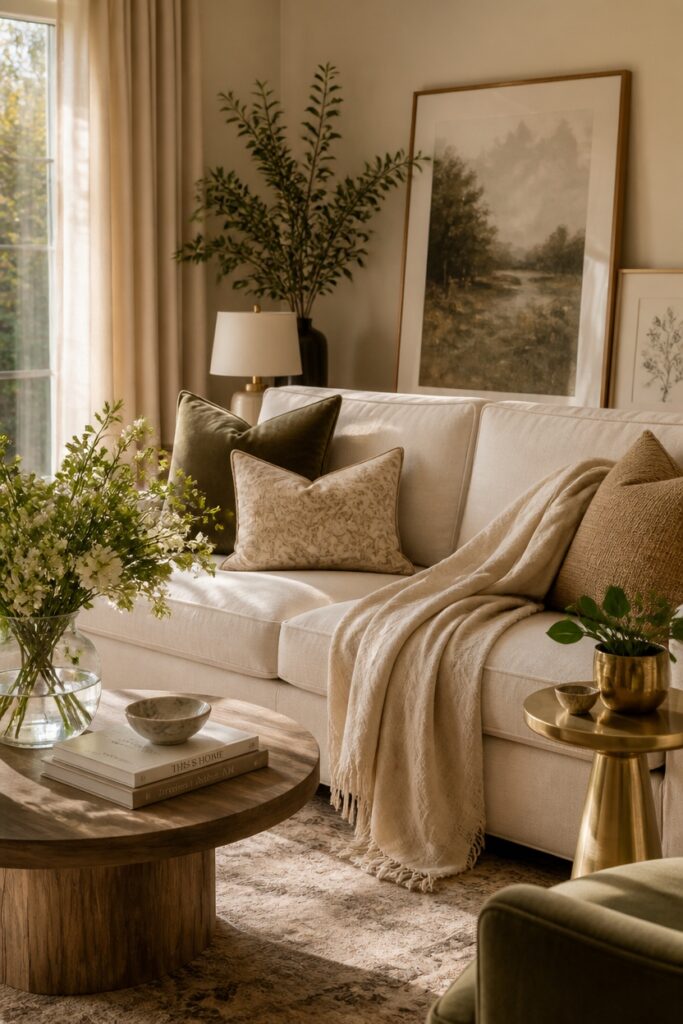
Refreshing your home doesn’t demand a full-scale renovation or drain your savings. Strategic, well-chosen updates can breathe new life into any room with minimal effort.
It’s about knowing where to focus your attention.
Consider the power of textiles first. Layering plush throws, textured cushions, or a new area rug instantly adds warmth and dimension.
These soft elements invite comfort while masking imperfections in older furniture or flooring.
Color makes another dramatic statement without major commitment. Painting a single accent wall in deep emerald, sapphire, or amber creates visual anchor points.
Pair this with hardware swaps on cabinets and drawers for a cohesive, polished feel.
Lighting deserves equal attention. Replacing dated fixtures or adding dimmable options transforms mood and functionality simultaneously.
These thoughtful touches prove that meaningful change often comes from restraint rather than excess.
Layer Textiles and Accessories for Instant Warmth
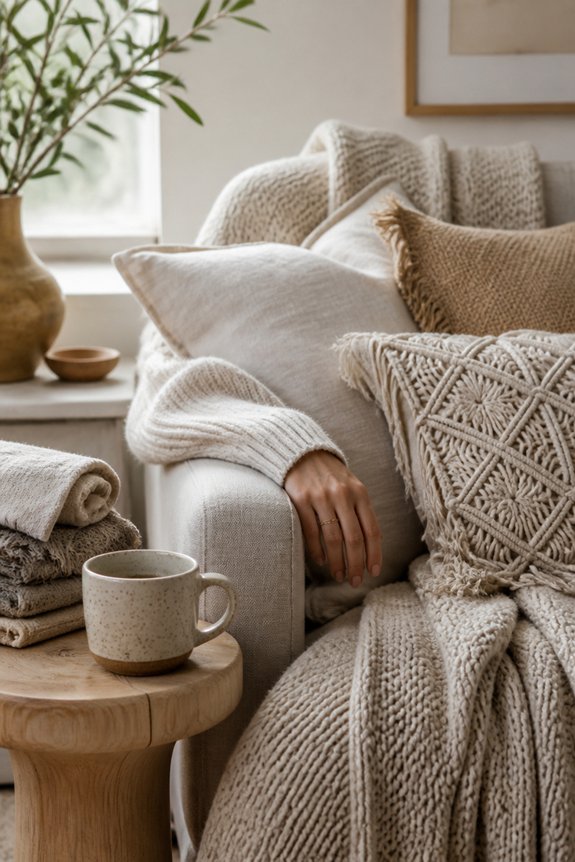
Layering textiles and accessories creates functional warmth while enhancing a wardrobe’s visual appeal. Lightweight cardigans, sweaters, and blazers worn over basic shirts add insulation and visual interest. Scarves, both long and infinity styles, provide neck warmth and can be adjusted for temperature changes.
Blanket throws draped over furniture introduce texture and comfort to living spaces. Socks, slippers, and arm warmers address specific body areas needing warmth. Hats and gloves complete outdoor layering strategies.
These textile additions require minimal effort, cost less than major upgrades, and offer flexibility throughout seasonal shifts. Strategic layering accommodates temperature fluctuations while maintaining consistent aesthetic improvements across living and wearing spaces.
Paint a Statement Wall for Fresh, Modern Impact
While textiles offer flexible, layered warmth through adjustable pieces, painted walls provide permanent visual transformation with lasting impact. Selecting one wall in a room, typically behind furniture or as an entry focal point, creates visual interest without overwhelming the space.
Deep jewel tones like emerald or navy establish sophistication, while muted grays or warm beiges provide subtle contrast. Accent walls behind beds, bookshelves, or seating areas draw attention effectively. Proper preparation, including primer application and quality paint selection, guarantees durability and professional appearance.
This upgrade requires minimal financial investment, typically under two hundred dollars, and delivers significant aesthetic change.
Swap Hardware for a Completely Different Look
Many homeowners overlook the transformative potential of cabinet knobs, drawer pulls, and door handles, yet these small fixtures dramatically alter a room’s visual character. Replacing dated brass hardware with sleek stainless steel, matte black, or brushed nickel creates an updated aesthetic.
Modern pulls, such as minimalist bar handles or cup-style knobs, suit contemporary spaces. Traditional cup pulls work well in farmhouse designs. Vintage bin pulls complement industrial decor.
Hardware changes require minimal tools and cost, making this upgrade accessible. New fixtures instantly refresh kitchen cabinets, bathroom vanities, and bedroom dressers without structural changes or extensive investment.
Upgrade Your Lighting to Transform the Mood
How markedly does lighting affect a room’s atmosphere? Considerably. Replacing old fixtures with new ones shifts the entire feel of a space. Dimmer switches allow occupants to adjust brightness levels, creating versatility for different times and activities. LED bulbs offer warmth or coolness depending on the color temperature selected.
Wall sconces beside mirrors provide functional task lighting. Pendant lights over kitchen islands serve dual purposes, offering illumination and visual interest. Floor lamps in corners eliminate dark areas. Upgrading from fluorescent to incandescent or LED options improves the room’s overall aesthetic without requiring renovation. Strategic lighting placement transforms functionality and mood simultaneously.
Give Old Furniture New Life With Refinishing or Reupholstering
Before discarding worn furniture, refinishing or reupholstering offers practical alternatives to replacement. Wood tables and chairs benefit from sanding, staining, or painting to restore appearance and function. Upholstered pieces, including sofas and armchairs, gain new life through fabric replacement, addressing tears, stains, and fading.
Refinishing typically costs less than purchasing new furniture, making it economical for budget-conscious homeowners. Professional services handle complex work, though basic projects suit DIY approaches. Material selection matters: durable fabrics withstand daily use better than delicate options. These upgrades extend furniture longevity, reduce waste, and maintain existing style preferences within a space.
Upgrade Cabinet Hardware and Drawer Pulls
A simple hardware swap transforms kitchen cabinets, bathroom vanities, and bedroom dressers with minimal effort and cost. Replacing knobs and pulls updates furniture appearance notably.
Options include brushed nickel, matte black, brass, and ceramic styles. Homeowners can choose cup pulls for drawers, ring pulls for cabinet doors, or bar handles for larger surfaces. Most replacements require only a screwdriver and take minutes per piece.
Matching hardware across rooms creates visual cohesion throughout the home. This upgrade provides immediate results without refinishing, repainting, or structural changes to existing furniture pieces.
Replace Fixtures to Complete Your Updated Style
Light fixtures, faucets, and hardware accents work together to establish a cohesive design throughout the home. Replacing outdated fixtures updates a space efficiently, affecting both function and appearance.
Consider swapping old ceiling lights for modern pendant fixtures or recessed lighting in kitchens and bathrooms. Updated faucet styles, including brushed nickel or matte black finishes, modernize sinks without full renovations. Cabinet knobs, drawer pulls, and door handles in matching metals tie rooms together visually.
Switch plates and outlet covers offer another opportunity for design consistency. These fixture replacements require minimal installation time, making them practical upgrades for homeowners seeking refreshed interiors without extensive construction projects.
Frequently Asked Questions
How Can I Update My Home’s Styling on a Tight Budget?
One can refresh a home’s appearance affordably by repainting walls, rearranging furniture, adding throw pillows, updating hardware, installing new lighting fixtures, and incorporating plants. These subtle changes create significant visual impact without requiring major renovation expenses.
What’s the Best Way to Choose a Color Palette for Room Updates?
“Good things come to those who plan.” One should begin by identifying existing elements—furniture, flooring, artwork—then select a dominant color complementing them. Homeowners benefit from gathering paint samples, testing them under various lighting conditions, and considering the room’s purpose before finalizing selections.
How Do I Know Which Styling Changes Will Increase My Home’s Value?
Homeowners should focus on neutral paint colors, updated lighting fixtures, and decluttered spaces, as these improvements consistently attract buyers. Professional appraisals and local real estate market analysis help determine which styling changes yield the strongest return on investment.
Can I Combine Multiple Subtle Upgrades for Maximum Visual Impact?
Yes, strategic combinations work effectively. Pairing fresh paint with new hardware, updating lighting with refined fixtures, and rejuvenating textiles with coordinated accessories creates cohesive visual transformation that amplifies individual upgrades’ collective impact considerably.
How Often Should I Refresh Styling Elements to Keep My Home Current?
One should refresh styling elements every two to three years to maintain contemporary appeal. However, timeless foundational pieces require less frequent updating, while accent items like pillows, artwork, and accessories benefit from annual refreshes.
Conclusion
Small upgrades mirror the power of subtle brushstrokes in painting—individually modest yet collectively transformative. Layered textiles, jewel-toned walls, updated hardware, and refined lighting work together to refresh interiors without renovation costs. These modifications address key visual elements: texture, color, material, and ambiance. Homeowners can systematically apply these strategies, selecting changes that align with their spaces and budgets. The cumulative effect delivers modern sophistication through accessible means.