
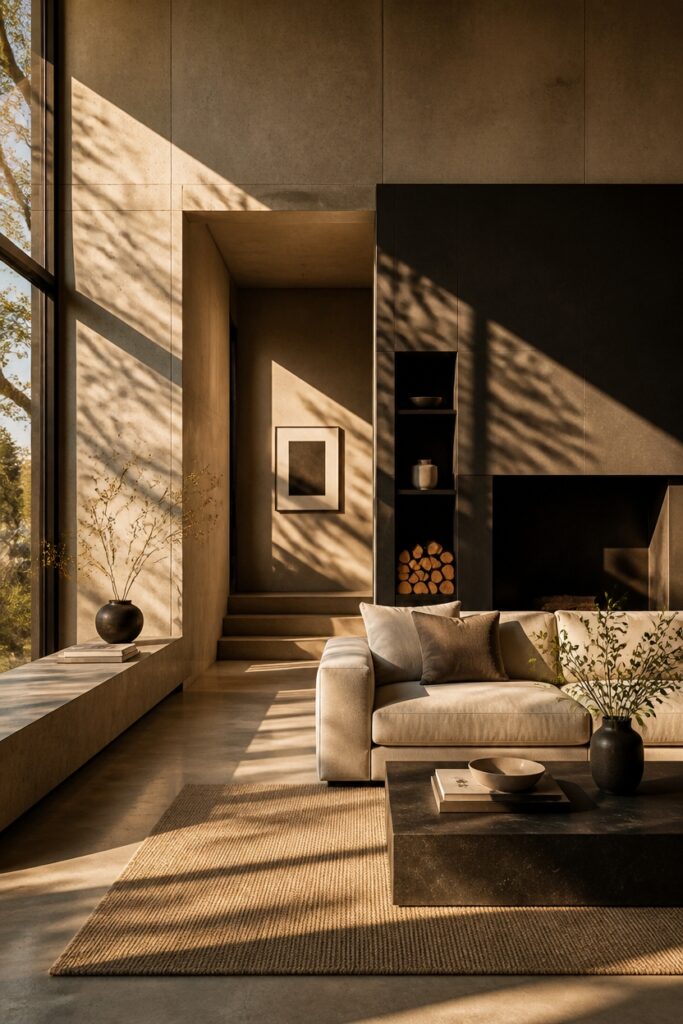
Morning sun streams through windows differently than afternoon rays, and smart designers notice these subtle shifts. A wall painted soft blue feels serene at dawn yet turns cold and unwelcoming by evening. This transformation happens quietly, often catching homeowners off guard until they wonder why a beloved color suddenly feels wrong.
East-facing spaces naturally invite warm, energizing tones for breakfast nooks and early rituals. Meanwhile, south-facing rooms absorb intense brightness that demands cooler palettes to maintain balance. Without this counterintuitive approach, brilliant sunlight can render even tasteful choices garish and uncomfortable.
Furniture placement completes the equation. A reading chair positioned to catch golden hour light becomes a daily refuge, while the same seat tucked into shadow misses its purpose entirely.
Every arrangement choice either honors or ignores how daylight travels through glass and across surfaces. Understanding these rhythms separates spaces that merely look good from those that genuinely feel right.
Color and layout decisions anchored in natural light patterns create rooms that function beautifully from sunrise to sunset.
How Natural Light Shifts Your Colour Choices Throughout the Day
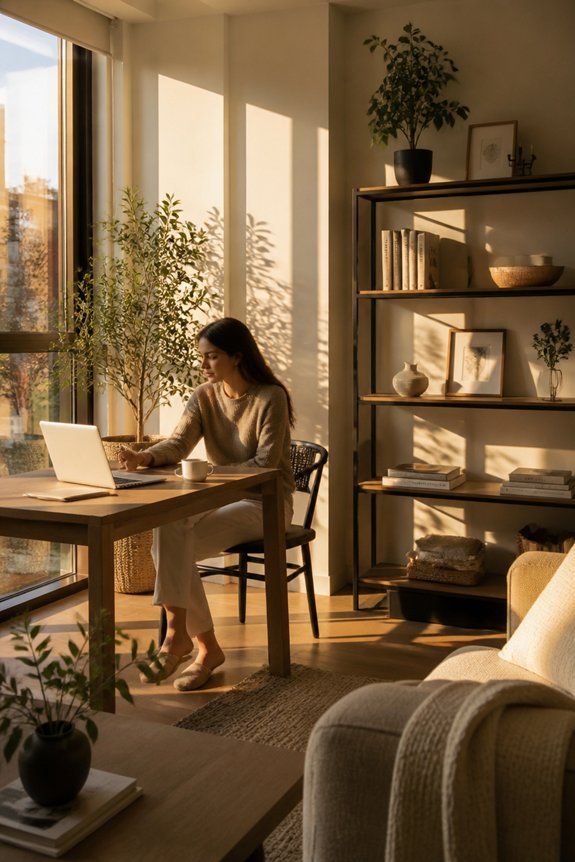
Natural light functions as an invisible force that transforms how colors appear in interior spaces. Morning light, cooler and bluer, makes warm tones like peach and cream appear muted. Midday sunlight, bright and direct, intensifies saturated colors such as deep blues and vibrant greens.
Afternoon light shifts warmer, casting golden tones that enhance oranges, yellows, and earth-toned hues. Evening light dims considerably, darkening colors and reducing contrast throughout rooms.
Designers account for these shifts by selecting paint colors, fabrics, and furnishings that perform acceptably across multiple lighting conditions. Understanding daily light patterns prevents color choices that appear harsh, dull, or unexpected at different times.
Orienting Layouts to Work With Daylight Patterns
Because daylight enters rooms from specific directions and angles, room layouts should position activities and furnishings to match these light patterns throughout the day. Morning east-facing windows suit breakfast areas and reading nooks. Southern exposures provide consistent midday brightness for workspaces and detailed tasks.
West-facing rooms, receiving intense afternoon sun, work better for living areas with supplementary shading. North-facing spaces maintain steady, diffused light suitable for studios and galleries.
Furniture placement should accommodate shifting shadows and glare. Desks positioned perpendicular to windows reduce screen reflection. Seating areas benefit from indirect light sources. Strategic layout planning maximizes natural illumination while minimizing heat gain and visual discomfort.
Picking Paint Colours That Look Right in Morning, Noon, and Evening Light
While strategic furniture placement optimizes how daylight functions in a room, paint color selection determines how that light actually appears to occupants throughout the day. Morning light carries cool, blue undertones, making warm whites and soft yellows appear harsh. Noon light appears neutral, revealing true paint colors without distortion. Evening light shifts orange and warm, causing cool grays and blues to appear dull.
Testing paint samples on all four walls over multiple hours reveals actual appearance changes. North-facing rooms benefit from warm tones, while south-facing spaces suit cooler hues. Observing samples during different times guarantees consistent color satisfaction throughout daily cycles.
Furniture Placement: Finding the Sweet Spot for Comfort and Function
Once paint colors establish the room’s visual foundation, furniture arrangement becomes the next critical factor in creating functional spaces. Positioning seating near windows allows natural light to enhance comfort during daytime hours. Tables placed away from direct sunlight prevent glare on work surfaces.
Traffic pathways require clear spacing between furniture pieces, typically three feet minimum. Bedrooms benefit from headboards positioned away from windows to reduce morning light disruption. Living rooms function better with seating arranged to face focal points like fireplaces. Storage units should occupy corners or wall spaces.
Proper placement maximizes usable floor area, improves safety, and supports daily activities effectively throughout changing daylight conditions.
Bouncing Light Into Darker Corners With Reflective Surfaces
Dark corners present a common challenge in room design, since natural light diminishes as distance from windows increases. Reflective surfaces redirect available light into shadowed areas, brightening spaces without additional fixtures. Mirrors positioned opposite windows bounce sunlight throughout rooms, while metallic frames, glass tabletops, and light-colored walls serve similar purposes. Glossy paint finishes reflect more light than matte alternatives.
Strategically placed reflective objects, such as polished metal accessories, white ceramics, or mirrored shelving, enhance illumination in problem areas. Light-toned fabrics on furniture also contribute to this effect. These solutions improve room functionality and visual comfort by maximizing existing daylight distribution.
Controlling Bright Afternoon Sun Without Blocking Daylight
Excessive sunlight creates glare, fades furnishings, and raises indoor temperatures, requiring solutions that filter intense rays while preserving natural illumination. Sheer curtains, lightweight fabrics, and semi-transparent roller shades reduce brightness while maintaining visibility.
Exterior solutions prove effective: awnings, shade screens, and strategic tree placement block sunlight before entering windows. Interior options include adjustable blinds and louvers, which direct light upward toward ceilings. Low-emissivity window films reflect heat while allowing light passage.
Layered approaches work best, combining exterior shading with interior controls. This combination manages afternoon sun intensity, protects interior spaces, and sustains daylighting benefits throughout the day.
Testing Your Colour and Layout Choices Before You Commit
After selecting appropriate window treatments to manage sunlight, homeowners should evaluate their colour schemes and furniture arrangements before making permanent decisions. Testing options involves using paint samples on walls, observing them at different times of day, and noting how natural light affects the appearance. Temporary furniture placement allows assessment of layout functionality and traffic flow.
Viewing colour choices alongside existing flooring, fixtures, and decor prevents clashing combinations. Photographing different arrangements documents preferences for reference. This trial period, lasting several days or weeks, reduces costly mistakes and guarantees selections complement both daylight conditions and personal preferences effectively.
Frequently Asked Questions
How Do Seasonal Daylight Changes Affect Interior Colour and Layout Decisions Throughout the Year?
Seasonal daylight variations necessitate strategic colour and layout adjustments. Winter’s reduced light favours lighter hues and south-facing spaces, while summer’s intensity benefits from cooler tones and north-oriented areas. Designers must anticipate these shifts to maintain ideal illumination and visual comfort year-round.
What’s the Best Budget-Friendly Way to Add Reflective Surfaces Without Expensive Renovations?
One can enhance light reflection affordably by incorporating mirrors, metallic paint finishes, and glass shelving. Strategically placing these elements opposite windows maximizes natural daylight distribution throughout interiors without requiring costly structural modifications or renovations.
Can Artificial Lighting Effectively Complement Natural Daylight in Colour Coordination Strategies?
Artificial lighting can effectively complement natural daylight when color temperatures align. Warm bulbs (2700K) work well during evenings, while cooler tones (4000K+) mimic daytime conditions. Strategic placement guarantees balanced illumination that enhances color perception throughout varying daylight hours.
How Do Different Window Types Impact Daylight Quality and Colour Perception Indoors?
Have you considered how window design fundamentally alters interior colour perception? Different window types—single-glazed, double-glazed, tinted, or frosted—filter wavelengths variably, shifting colour accuracy. Larger windows intensify hues, while smaller openings create subtle tones. Frame materials and orientation further influence daylight quality and subsequent colour rendering indoors.
What Colour Psychology Principles Should Guide Daylight-Dependent Interior Design Decisions?
Designers should leverage colour psychology by selecting cooler tones for north-facing spaces receiving blue-dominant daylight, while warmer hues complement south-facing interiors. Strategic colour choices enhance perceived brightness, regulate mood, and optimize visual comfort in daylight-dependent environments.
Conclusion
Designing spaces around daylight requires understanding how light moves through rooms at different hours. By coincidence, the same east-facing wall that receives morning warmth also benefits from cooler paint colors during afternoon shifts. Successful layouts balance furniture placement, reflective surfaces, and window treatments to control brightness while maintaining functionality. Testing colors under various lighting conditions before committing guarantees the chosen palette performs consistently throughout the day.