
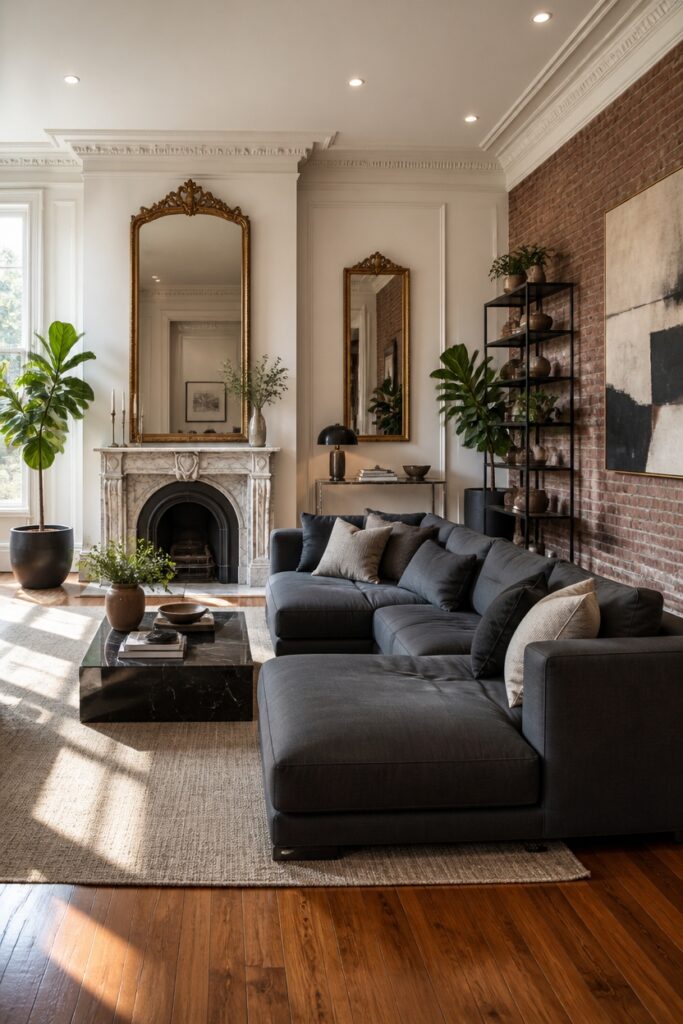
Walking into a home with good bones, many homeowners freeze at the crossroads. Keep the original hardwood floors and intricate crown molding? Or strip everything back for that coveted sleek, minimalist look? The truth is, you rarely have to choose just one side.
The art of blending starts with editing. Not every vintage detail deserves to stay, so it pays to be selective. Identify which traditional elements carry real character, then build around them with a neutral color foundation. This creates breathing room for both old and new to coexist without competing.
From there, the layering begins. Modern fixtures can hang above antique tables. Contemporary hardware updates original cabinetry without erasing its history. Each choice about furniture, lighting, and accessories becomes a conversation between eras rather than a clash.
The spaces that feel most alive usually exist right where tradition and contemporary design quietly intersect.
Spot the Features Worth Keeping (and Which to Update)
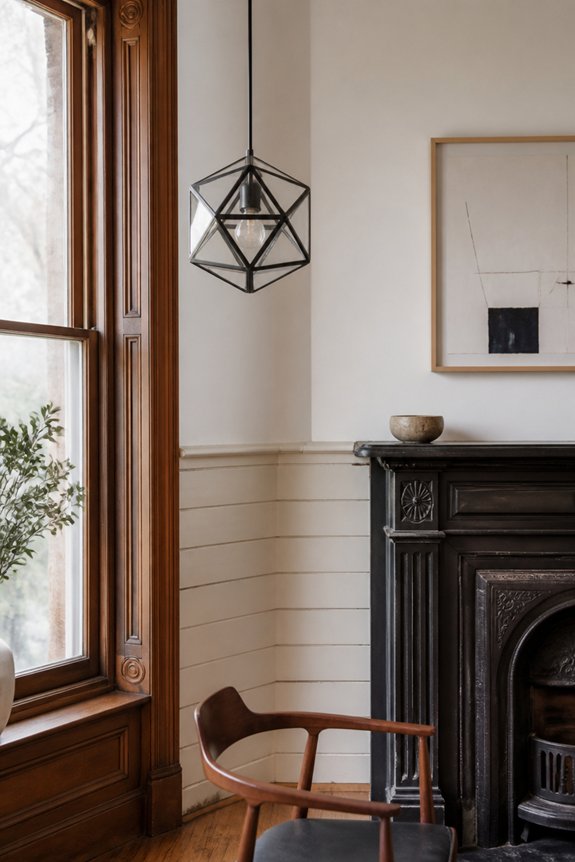
When blending traditional and contemporary decor, identifying which existing elements to preserve and which to replace forms the foundation of a successful design scheme. Original hardwood floors, architectural details like crown molding, and quality wooden furniture pieces typically merit retention. Outdated wallpaper, worn carpeting, and bulky traditional furnishings warrant replacement.
Assessment requires evaluating condition, functionality, and aesthetic alignment with desired contemporary elements. Vintage brass fixtures might integrate well with modern minimalist spaces, whereas ornate Victorian pieces could conflict. The goal involves maintaining character through selective preservation while modernizing the overall environment through strategic updates and thoughtful material choices.
Start With a Neutral Foundation: Here’s Why
After determining which pieces to keep and which to replace, establishing a neutral foundation becomes the logical next step in blending design styles. Neutral walls, flooring, and large furniture pieces create a stable backdrop, allowing traditional and contemporary elements to coexist without visual conflict. Soft whites, grays, and beiges serve this purpose effectively.
This approach provides flexibility, enabling homeowners to adjust decor later without requiring major renovations. Neutral foundations also prevent design clashes between ornate traditional pieces and sleek contemporary items. Paint, flooring materials, and foundational furnishings should remain understated, reserving visual impact for carefully selected accent pieces from both design eras.
Mix Traditional and Modern Furniture Without Clashing
How can homeowners successfully pair traditional sofas with contemporary accent chairs, or vice versa? The key involves selecting unifying elements that bridge both styles.
Color coordination works effectively, using neutral tones like beige, gray, or white across pieces. Material mixing also helps, combining a traditional leather sofa with modern metal-frame chairs. Scale matters remarkably, ensuring furniture proportions remain balanced throughout the room.
A traditional wingback chair pairs well with sleek glass side tables. Contemporary sectionals coordinate with ornate traditional ottomans when shared upholstery colors connect them. Layering textures through fabric choices prevents visual monotony while maintaining cohesion across mixed furniture styles.
When to Dial Back Ornate Details?
Why do some rooms feel overwhelming despite careful furniture selection? Ornate details, while beautiful, can dominate spaces when overused. Dialing back decorative elements involves removing excess carved woodwork, reducing patterned fabrics, or limiting ornamental accessories.
Consider the room’s size, lighting, and function. Smaller spaces benefit from fewer decorative pieces, while larger rooms accommodate more detail. Bedrooms typically need calmer, simplified designs than living areas.
Evaluate wall treatments, mirror frames, and hardware finishes. Replace three ornate items with two simpler alternatives. This approach maintains traditional character while preventing visual clutter, creating balanced environments that combine both styles effectively.
Layer Textures to Bridge the Style Gap
Texture serves as a neutral connector between traditional and contemporary design elements, allowing different styles to coexist without visual conflict. Layering various textures creates visual interest while maintaining design cohesion.
Combining rough wooden beams with smooth concrete surfaces exemplifies this approach. Velvet upholstery paired with industrial metal accents demonstrates texture contrast effectively. Woven natural fibers, such as jute or linen, bridge ornate and minimalist aesthetics.
Incorporating matte finishes alongside polished surfaces adds depth without clashing stylistically. Stone, glass, and fabric textures work together to soften stark modern pieces while complementing traditional furnishings, establishing balanced, unified interiors.
Upgrade Lighting and Hardware for a Fresh Feel
Lighting fixtures and hardware represent two of the most visible opportunities to refresh a space blending traditional and contemporary styles. Modern pendant lights, minimalist cabinet pulls, and brushed metal hinges modernize traditional furniture and cabinetry effectively. Replacing ornate brass fixtures with sleek chrome or matte black options creates visual contrast and updates aesthetics immediately.
Contemporary lighting such as geometric chandeliers or track systems paired with traditional architectural elements establishes balance. Hardware upgrades prove particularly cost-effective, transforming drawer fronts and doors without major renovation. Selecting pieces that complement existing woodwork and wall treatments guarantees cohesive design integration throughout the space.
Tie It All Together With Accessories and Art
Accessories and artwork serve as the final layer that connects updated lighting and hardware with existing traditional elements. Strategic placement of modern sculptures, abstract paintings, or contemporary mirrors creates visual bridges between old and new styles.
Throw pillows in neutral tones, geometric rugs, and sleek vases work alongside traditional furniture pieces. Selecting accessories with clean lines and minimal ornamentation maintains balance, preventing spaces from appearing cluttered or disconnected.
Artwork should reflect the homeowner’s preferences while respecting the overall design scheme. These finishing touches unify disparate elements, establishing cohesion throughout rooms and completing the blended aesthetic.
Frequently Asked Questions
What Budget Should I Allocate for a Traditional-Contemporary Hybrid Renovation?
A hybrid renovation typically requires 15-25% more budget than standard projects. Costs vary by square footage and location, but allocating $100-300 per square foot guarantees quality execution of both traditional and contemporary elements throughout the space.
How Do I Choose a Designer Experienced in Blending These Two Styles?
One should seek designers with portfolios demonstrating successful traditional-contemporary projects. Request references, review past work, and discuss their design philosophy. Confirm they understand balancing both aesthetics while maintaining cohesive spaces throughout the home.
Can I Combine Traditional and Modern Styles in Small Spaces Effectively?
Yes, small spaces benefit remarkably from blending traditional and modern styles. Strategic layering of classic pieces with contemporary elements creates visual interest while maximizing functionality. Neutral color palettes and selective statement pieces prevent overcrowding, allowing both aesthetic approaches to coexist harmoniously.
What Timeline Is Realistic for Completing a Style Transition Project?
Like painting a masterpiece, completing a style shift requires patience and deliberation. Realistic timelines typically span three to six months for small spaces, depending on budget constraints, furniture acquisition speed, and the extent of structural modifications needed.
How Do I Maintain Resale Value While Mixing Conflicting Design Aesthetics?
One maintains resale value by ensuring mixed aesthetics appear intentional rather than haphazard. Buyers appreciate cohesive design narratives. The homeowner should prioritize quality finishes, neutral base palettes, and strategically blend styles through statement pieces while preserving architectural integrity.
Conclusion
Successfully blending traditional and contemporary design requires intentional choices at every stage. Homeowners who preserve original hardwood floors, architectural details, and vintage pieces while introducing neutral walls, modern lighting, and minimalist accessories create balanced spaces. This approach, much like a well-composed symphony balancing classical and contemporary notes, produces environments that feel both grounded and current. The result is cohesive, functional living spaces reflecting personal style.