
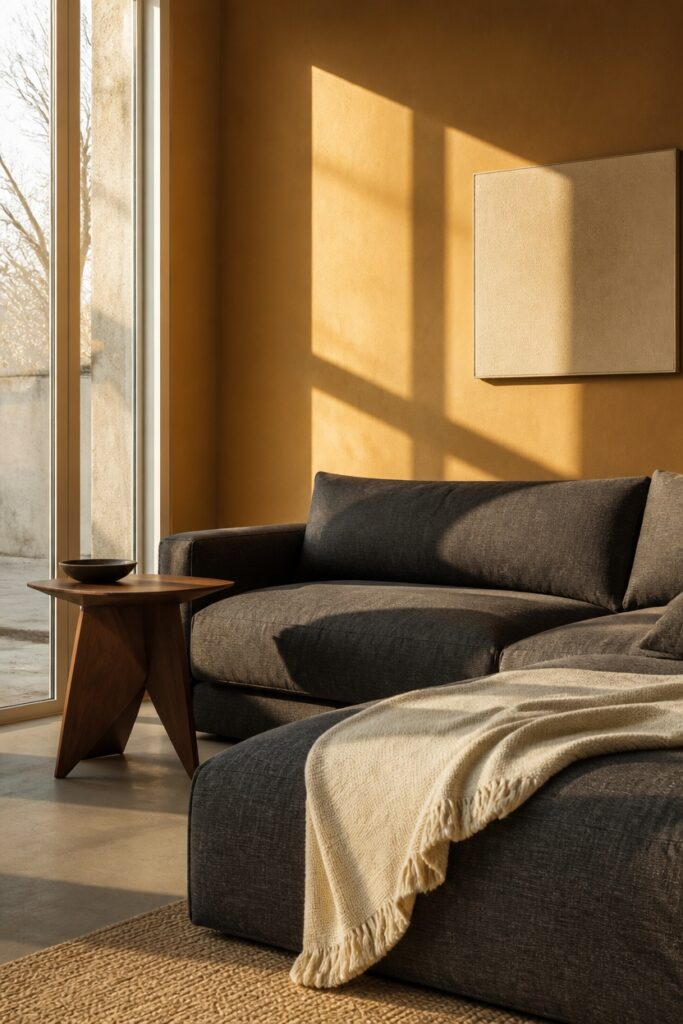
Great interior design emerges from the careful balance of four core elements. Lighting, textiles, colour, and furniture placement each carry their own weight in shaping how we experience a space. None works in isolation, and their interplay ultimately decides whether a room feels harmonious or haphazard.
Consider the subtle conflicts that arise between these elements. Warm lighting against cool-toned fabrics introduces tension that can either energise or unsettle, depending on intent. Similarly, a bold colour choice can either anchor a layout or fight against it when furniture placement feels arbitrary.
Movement through a space matters just as much as its static appearance. Strategic arrangement guides how people naturally flow from one area to another, revealing the designer’s understanding of daily habits.
When this goes unconsidered, even the most beautiful rooms begin to feel awkward.
What separates finished spaces from incomplete ones is rarely a single dramatic choice. Rather, it lies in the quiet coherence between these four foundations, noticed only when something feels precisely right.
How Lighting Shapes Mood and Functionality
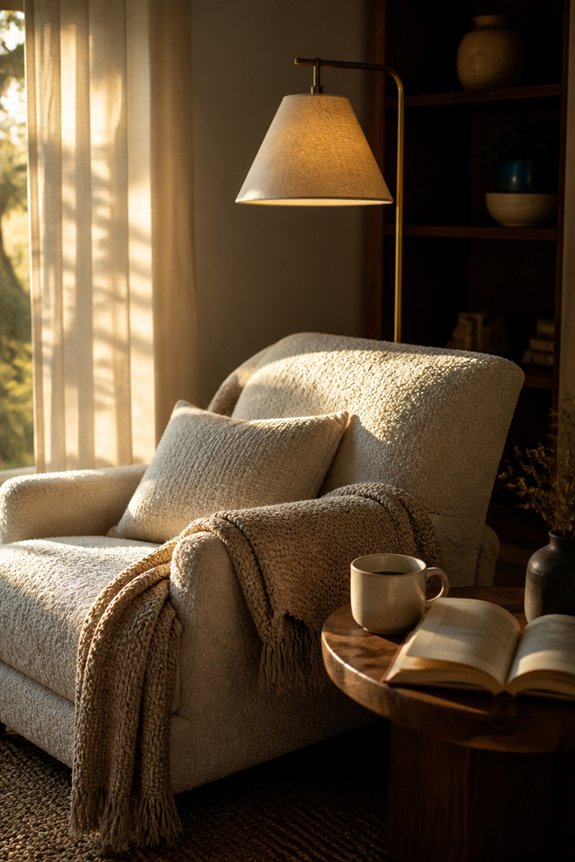
Lighting serves two primary purposes in interior spaces: it creates the atmosphere people experience, and it enables them to perform necessary tasks. Warm lighting, around 2700 Kelvin, promotes relaxation in bedrooms and living rooms. Cool lighting, approximately 4000 Kelvin, enhances focus in kitchens and home offices.
Layered lighting, combining ambient, task, and accent sources, provides flexibility for different activities. Dimmer switches allow occupants to adjust brightness levels throughout the day. Strategic placement of overhead fixtures, table lamps, and wall sconces guarantees adequate illumination while reducing glare, shadows, and eye strain during reading, cooking, and detailed work.
Choosing Textiles That Anchor Your Design Scheme
Because textiles cover large surface areas and appear frequently throughout a room, they establish the foundational colors, patterns, and textures of a space. Selecting quality fabrics for curtains, upholstery, and rugs determines the overall aesthetic direction.
Neutral textiles like beige linen or gray wool provide flexibility for accent pieces, while patterned fabrics such as geometric prints or floral designs serve as focal points. Natural fibers including cotton, linen, and wool offer durability and breathability. Synthetic blends provide stain resistance and easy maintenance.
Coordinating textile weight, weave density, and color saturation guarantees visual cohesion throughout rooms. These selections directly influence how spaces feel and function daily.
Using Colour Psychology to Set Atmosphere
Colors influence mood and behavior through psychological associations, making them essential tools for establishing atmosphere in interior spaces. Warm colors like red, orange, and yellow stimulate energy and conversation, suiting living rooms and dining areas. Cool colors such as blue, green, and purple promote calm and relaxation, working well in bedrooms and bathrooms.
Neutral tones including beige, gray, and white create balance and flexibility for layering other design elements. Saturation levels matter considerably: muted shades feel sophisticated and restful, while bold hues demand attention. Understanding these color principles allows designers to intentionally shape how occupants feel and behave within rooms.
Strategic Furniture Placement for Flow and Comfort
Furniture arrangement directly affects how occupants move through and use interior spaces, requiring thoughtful consideration of traffic patterns, sightlines, and accessibility.
Positioning seating pieces away from doorways and main pathways prevents congestion and allows smooth movement. Angling sofas and chairs toward conversation areas, rather than television screens, encourages interaction. Placing tables at appropriate heights near seating provides functional surfaces for lamps, drinks, or books.
Floating furniture away from walls creates defined zones within open layouts. Strategic placement of bedroom dressers and nightstands maintains adequate clearance for opening drawers and doors. These deliberate positioning choices enhance both usability and comfort in residential and commercial environments.
How to Layer All Four Elements Together
Successful interior design requires integrating color schemes, lighting, texture, and furniture placement into a cohesive whole. Begin by selecting a dominant color palette, then position furniture to support natural light flow and highlight those hues.
Layer textiles like curtains, rugs, and cushions to reinforce both color and comfort. Task lighting near seating areas enhances functionality, while ambient lighting balances the overall scheme. Consider how warm wood furniture complements cool blue walls, or how soft fabrics soften stark modern pieces.
Each element should work together, supporting rather than competing with others. This coordination creates balanced, functional spaces that serve occupants’ practical needs.
Mistakes That Derail Design Balance
Many common pitfalls can disrupt the careful coordination discussed in the previous section. Overusing bold colors, such as bright red or electric blue, overwhelms spaces and clashes with furniture tones. Neglecting to balance lighting types creates harsh shadows or dim corners. Mixing too many fabric textures, like velvet, wool, and linen simultaneously, produces visual chaos.
Poor furniture placement blocks natural light or creates awkward traffic patterns. Ignoring scale relationships causes oversized pieces to dominate small rooms. Failing to anchor spaces with cohesive color palettes leaves designs feeling fragmented and disconnected. These errors undermine the harmony achieved through thoughtful layering of all four design elements together.
Tailor Your Design to Your Daily Life
While avoiding common design mistakes matters, a space ultimately serves the people who inhabit it daily.
A family with young children requires durable, washable fabrics on sofas and chairs. Someone working from home needs adequate task lighting near a desk, plus storage for office supplies. Pet owners benefit from darker, stain-resistant textiles and furniture with protective feet.
Frequent entertainers might prioritize open floor plans and seating arrangements that encourage conversation. Individuals with mobility concerns need accessible furniture heights and clear pathways between rooms. Design choices should reflect actual routines, not magazine aesthetics. Matching a space to genuine lifestyle needs guarantees both functionality and lasting satisfaction.
Frequently Asked Questions
What’s the Ideal Budget Allocation Between Lighting, Textiles, Colour, and Furniture?
Design professionals typically recommend allocating 30% to furniture, 25% to lighting, 25% to textiles, and 20% to colour schemes. However, project-specific needs may warrant adjustments, prioritizing elements that most profoundly impact the space’s functionality and aesthetic goals.
How Do Rental Restrictions Affect Implementing These Design Principles in Temporary Spaces?
Seventy percent of renters report design limitations due to lease constraints. Rental agreements typically prohibit permanent alterations, forcing designers to prioritize removable solutions: adhesive wallpapers, portable lighting fixtures, and temporary textile installations that maintain flexibility without violating lease terms.
Which Design Elements Work Best for Small Rooms With Limited Natural Light?
Strategically placed mirrors amplify existing light sources, while pale wall colors and reflective surfaces expand perceived space. Layered lighting with task and ambient fixtures compensates for limited natural illumination. Minimal, multipurpose furniture maintains openness without sacrificing functionality.
Can These Principles Apply to Commercial or Office Spaces Effectively?
Like a well-tuned instrument producing harmonious notes, these design principles transfer effectively to office environments. Commercial spaces benefit substantially from strategic lighting, thoughtful color selection, and optimized furniture arrangement, creating productive, welcoming atmospheres that enhance employee well-being and client perception.
How Often Should I Update These Elements to Refresh My Interior Design?
One should update design elements every 3-5 years for major changes, though seasonal textile and lighting adjustments every 6-12 months maintain freshness. Furniture placement can shift quarterly to prevent visual monotony and optimize functionality without significant investment.
Conclusion
Lighting, textiles, color, and furniture placement function as interconnected tools rather than separate design choices. When harmonized deliberately, these elements transform spaces into environments that support both mood and movement. Warm lighting pairs with soft textiles, cool tones enhance focus, and strategic placement enables comfortable navigation. Success requires viewing design holistically, where each component reinforces the others, ultimately creating functional rooms tailored to daily living patterns and personal needs.