
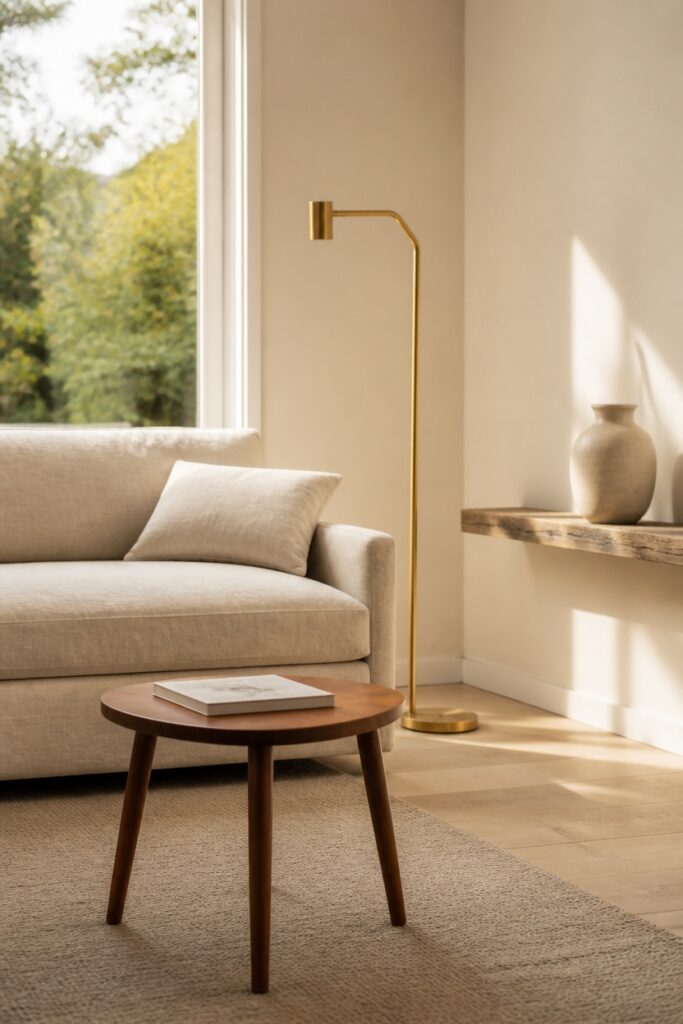
Some interiors feel fresh years after completion, while others look tired almost immediately. The difference usually comes down to a few deliberate decisions made early in the process. Neutral foundations in whites, warm grays, and soft beiges provide the most reliable starting point for longevity.
Classic materials tend to outlast fleeting trends. Quality wood furniture develops character over time rather than looking worn. Stone surfaces, whether marble countertops or limestone flooring, carry a quiet permanence that manufactured alternatives rarely achieve.
Proportions matter too; rooms balanced with symmetry and appropriate scale resist the visual fatigue that asymmetrical fads often bring.
Flexibility should be built into any timeless design. Pillows, throws, and artwork can shift with seasons or evolving tastes without requiring structural changes. Even lighting fixtures, which are relatively simple to swap, offer opportunities for gentle updates. The key is keeping these elements secondary to the larger architectural story.
Not every trend deserves dismissal, of course. Some movements introduce genuinely useful ideas about how people actually live and move through spaces.
Learning to identify which innovations improve daily function versus those that merely photograph well separates enduring design from forgettable styling.
Start With Your Layout: Prioritize Function Over Trends
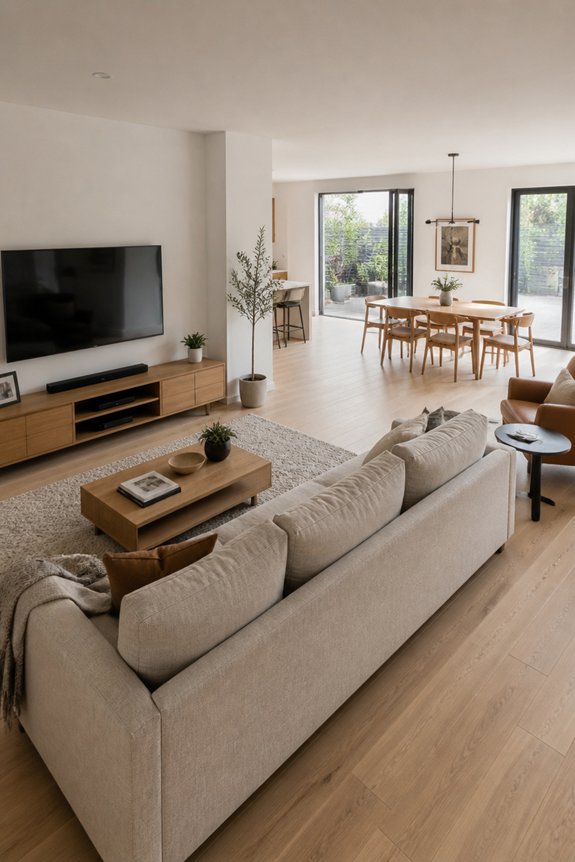
The foundation of any timeless interior rests on a functional floor plan, one that serves the people living in the space rather than following passing design movements. A well-designed layout considers traffic flow, natural light sources, and daily activities.
Placing the kitchen near the dining area reduces steps during meal preparation. Positioning seating to face conversation zones rather than walls encourages interaction. Storage should integrate throughout rooms, not concentrate in one location.
Windows deserve consideration for seasonal sun angles and ventilation. These practical decisions remain relevant across decades, whereas trendy furniture arrangements become outdated within years.
Invest in Quality Pieces That Transcend Trends
Building on a functional layout requires selecting furniture and décor that remain attractive and useful across many years, not just current seasons.
Quality pieces in neutral colors, such as beige sofas, wooden tables, and classic chairs, withstand time better than trendy items. Natural materials like solid wood, leather, and wool age gracefully, developing character rather than appearing worn. Investment-grade furniture from established manufacturers typically features better construction, durable joints, and replaceable parts.
Selecting timeless designs over fashionable ones reduces the need for frequent replacements, ultimately saving money and resources while maintaining interior appeal.
Choose Neutral Bases and Layer With Flexible Accents
Neutral wall colors, flooring, and large furniture pieces form a stable foundation that accommodates changing tastes without requiring complete renovations. Soft whites, warm grays, and beige tones provide versatile backgrounds for various design schemes. These bases remain relevant across decades, allowing homeowners to update spaces through removable elements.
Accent pieces: pillows, artwork, rugs, curtains, can shift with evolving preferences and trends without affecting structural design choices. A cream sofa paired with interchangeable throw pillows and seasonal artwork exemplifies this layering approach. Flexible accents enable affordable updates while maintaining the timeless quality of core furnishings and architectural elements.
Select Durable Materials That Won’t Look Dated in Five Years
How do homeowners select materials that maintain their appeal across multiple decades? Timeless interiors rely on quality fundamentals: natural wood flooring, ceramic tile, stone countertops, and painted drywall. These materials resist trends because they possess inherent durability and classic aesthetic appeal.
Avoid laminate, vinyl, and trendy finishes that show wear quickly or fall from favor. Investment-grade materials cost more initially but require fewer replacements over time. Homeowners should prioritize substance and longevity over novelty.
Quality construction techniques matter equally, ensuring installations last twenty years or longer. Proper maintenance further extends material lifespan, protecting the investment through regular cleaning and repair.
Apply Timeless Design Rules Without Sacrificing Personality
While quality materials form the foundation of lasting design, they alone do not create spaces that feel like home. Personal touches distinguish individual interiors from generic ones. Homeowners can incorporate personality through artwork, family photographs, and collected objects displayed thoughtfully on shelves and walls.
Color choices offer another avenue for expression: neutral base palettes accommodate personal preferences through accent pieces, textiles, and accessories. These elements can be updated or changed without altering fundamental design structure. Timeless interiors balance classic principles with individual style, ensuring spaces remain both current and meaningful to their inhabitants.
Distinguish Trends Worth Adopting From Those to Avoid
Every design season introduces new trends, yet not all deserve a place in timeless interiors. Trends with staying power, such as neutral color palettes and quality materials, align with enduring design principles. Conversely, highly saturated accent walls, novelty hardware finishes, and ultra-trendy patterns fade quickly.
Consider adopting trends that enhance functionality or complement existing aesthetics rather than dominating spaces. Evaluate whether a trend solves a design problem or simply follows current fashion. Trends in sustainable materials and ergonomic furniture typically age well. Avoid trends dependent on specific color forecasts or extreme stylistic statements that clash with timeless foundations.
Design Flexible Spaces That Evolve Without Major Renovations
Flexible interiors accommodate changing needs without requiring extensive reconstruction, making them practical investments for long-term living. Modular furniture, removable wall partitions, and neutral color palettes enable spaces to adapt as circumstances shift.
Open floor plans allow reconfiguration without structural changes, while multipurpose rooms serve different functions across seasons or life stages. Built-in storage with adjustable shelving adjusts to evolving collections.
Paint and removable wallpaper permit aesthetic updates without permanent commitment. Furniture on wheels facilitates rearrangement, and standardized measurements simplify future modifications. These design choices preserve initial investments while accommodating shifting work arrangements, family size changes, or hobby development without demanding costly renovations.
Frequently Asked Questions
How Do I Update My Dated Interior Without a Complete Renovation?
One can refresh a dated interior through strategic updates: replace hardware, repaint walls in neutral tones, update lighting fixtures, refresh textiles, and add contemporary artwork. These focused changes modernize spaces without requiring extensive structural work or complete redesign investments.
What’s the Best Way to Refresh Decor Seasonally While Maintaining Timelessness?
Seasonal refreshes work best through neutral base layers paired with interchangeable accessories. Rotate textiles, artwork, and plants rather than repainting or replacing furniture. This approach preserves timeless fundamentals while allowing flexibility to evolve with personal taste.
How Can I Balance Personal Style With Choosing Design Elements That Age Well?
One should prioritize timeless fundamentals—neutral palettes, quality materials, clean lines—as an unchanging foundation. Personal style emerges through accessories, artwork, and curated collections that can evolve infinitely without requiring structural changes. This approach allows one’s space to mature gracefully rather than age catastrophically.
What Budget Should I Allocate for Quality Pieces Versus Decorative Accents?
One should allocate approximately 70-80% of the interior design budget toward quality foundational pieces—furniture, flooring, and fixtures—while reserving 20-30% for decorative accents. This distribution guarantees longevity while allowing personal style expression through replaceable elements.
How Do I Know When to Replace Outdated Elements Versus Keeping Them?
Many assume all dated pieces require removal. However, designers assess functionality first: if elements serve their purpose and possess quality craftsmanship, retention remains viable. Replace only when structural decline or severe stylistic discord compromises the overall interior.
Conclusion
Creating timeless interiors requires prioritizing function, quality, and neutral foundations over fleeting trends. Research confirms spaces built on classic principles—natural materials, durable furniture, flexible layouts—maintain aesthetic appeal longer than trend-driven designs. By establishing a neutral base, investing in quality pieces, and selecting materials like wood and stone, homeowners create adaptable environments. These spaces accommodate personal style changes without requiring major renovations, ensuring longevity and sustained visual relevance across years.